

When it comes to food, there's a fine line between savoring your favorite dish and putting your health at risk, which is why entering the danger zone for food safety is a crucial topic to explore. Learning how to navigate this zone effectively can make all the difference in ensuring that your meals are not only delicious but also safe to eat, and it all starts with understanding the basics of food safety and how to apply them in your daily life. By taking the time to educate yourself on the potential dangers lurking in your kitchen and learning how to stay safe, you'll be able to enjoy your favorite foods with confidence and peace of mind, knowing that you're taking the necessary steps to protect yourself and your loved ones from foodborne illnesses.
Know the Food Danger Zone to Keep Your Family Safe from Food Poisoning
Always be aware of the food danger zone when storing and cooking food to prevent bacterial growth and foodborne illness. Keep your food at a safe temperature to avoid the danger zone where bacteria can multiply rapidly and cause serious health problems
Bacterial Growth Temperature Range
Food danger zone is a critical temperature range between 40 and 140 degrees Fahrenheit where bacteria can multiply rapidly on perishable foods like meat dairy and poultry causing foodborne illnesses and potentially life threatening conditions if left unchecked for too long. Keeping foods out of this danger zone is crucial to prevent contamination and ensure food safety whether you are storing cooking or reheating your meals. Proper handling and storage techniques can help minimize the risk of foodborne illnesses by keeping hot foods hot and cold foods cold
Check Your Food Temperature Now To Avoid Food Poisoning
Keep your food safe by storing potentially hazardous foods like meat and dairy products at temperatures below 40 degrees Fahrenheit to prevent bacterial growth Monitor the temperature of your food closely to ensure it stays within the safe zone and does not enter the danger zone where bacteria can multiply rapidly
Danger Zone Food Safety Temperature Guidelines
Danger Zone Food Safety Temperature is a critical concept in handling Potentially Hazardous Food as it refers to the temperature range between 40 and 140 degrees Fahrenheit where bacteria can multiply rapidly and cause foodborne illness Maintaining proper food safety temperatures is essential to prevent the growth of harmful microorganisms in foods like meat poultry dairy and eggs Proper handling and storage of these foods at safe temperatures can significantly reduce the risk of food poisoning and keep consumers safe

Know the Food Danger Zone to Keep Your Family Safe from Food Poisoning
Always be aware of the food danger zone when storing and cooking food to prevent bacterial growth and foodborne illness. Keep your food at a safe temperature to avoid the danger zone where bacteria can multiply rapidly and cause serious health problems
Bacterial Growth Temperature Range
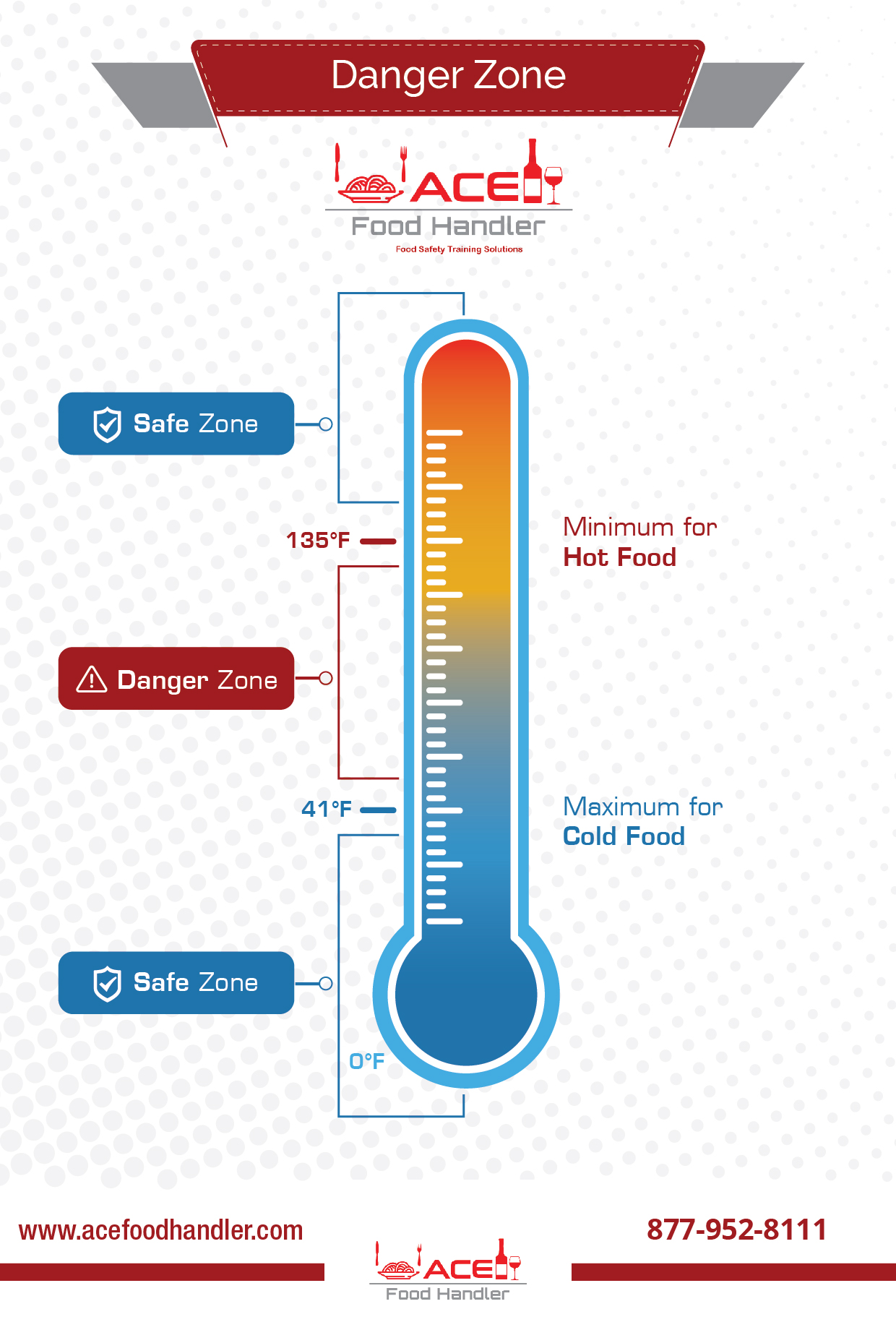
Food danger zone is a critical temperature range between 40 and 140 degrees Fahrenheit where bacteria can multiply rapidly on perishable foods like meat dairy and poultry causing foodborne illnesses and potentially life threatening conditions if left unchecked for too long. Keeping foods out of this danger zone is crucial to prevent contamination and ensure food safety whether you are storing cooking or reheating your meals. Proper handling and storage techniques can help minimize the risk of foodborne illnesses by keeping hot foods hot and cold foods cold
Know the Food Danger Zone to Keep Your Family Safe from Food Poisoning
Always be aware of the food danger zone when storing and cooking food to prevent bacterial growth and foodborne illness. Keep your food at a safe temperature to avoid the danger zone where bacteria can multiply rapidly and cause serious health problems
Bacterial Growth Temperature Range
Food danger zone is a critical temperature range between 40 and 140 degrees Fahrenheit where bacteria can multiply rapidly on perishable foods like meat dairy and poultry causing foodborne illnesses and potentially life threatening conditions if left unchecked for too long. Keeping foods out of this danger zone is crucial to prevent contamination and ensure food safety whether you are storing cooking or reheating your meals. Proper handling and storage techniques can help minimize the risk of foodborne illnesses by keeping hot foods hot and cold foods cold

Know the Food Danger Zone to Keep Your Family Safe from Food Poisoning
Always be aware of the food danger zone when storing and cooking food to prevent bacterial growth and foodborne illness. Keep your food at a safe temperature to avoid the danger zone where bacteria can multiply rapidly and cause serious health problems
Bacterial Growth Temperature Range
Food danger zone is a critical temperature range between 40 and 140 degrees Fahrenheit where bacteria can multiply rapidly on perishable foods like meat dairy and poultry causing foodborne illnesses and potentially life threatening conditions if left unchecked for too long. Keeping foods out of this danger zone is crucial to prevent contamination and ensure food safety whether you are storing cooking or reheating your meals. Proper handling and storage techniques can help minimize the risk of foodborne illnesses by keeping hot foods hot and cold foods cold

Know the Food Danger Zone to Keep Your Family Safe from Food Poisoning
Always be aware of the food danger zone when storing and cooking food to prevent bacterial growth and foodborne illness. Keep your food at a safe temperature to avoid the danger zone where bacteria can multiply rapidly and cause serious health problems
Bacterial Growth Temperature Range
Food danger zone is a critical temperature range between 40 and 140 degrees Fahrenheit where bacteria can multiply rapidly on perishable foods like meat dairy and poultry causing foodborne illnesses and potentially life threatening conditions if left unchecked for too long. Keeping foods out of this danger zone is crucial to prevent contamination and ensure food safety whether you are storing cooking or reheating your meals. Proper handling and storage techniques can help minimize the risk of foodborne illnesses by keeping hot foods hot and cold foods cold

Know the Food Danger Zone to Keep Your Family Safe from Food Poisoning
Always be aware of the food danger zone when storing and cooking food to prevent bacterial growth and foodborne illness. Keep your food at a safe temperature to avoid the danger zone where bacteria can multiply rapidly and cause serious health problems
Bacterial Growth Temperature Range
Food danger zone is a critical temperature range between 40 and 140 degrees Fahrenheit where bacteria can multiply rapidly on perishable foods like meat dairy and poultry causing foodborne illnesses and potentially life threatening conditions if left unchecked for too long. Keeping foods out of this danger zone is crucial to prevent contamination and ensure food safety whether you are storing cooking or reheating your meals. Proper handling and storage techniques can help minimize the risk of foodborne illnesses by keeping hot foods hot and cold foods cold
