

As you step into the world of Enter The Danger Zone Food, it's crucial to be aware of the potential risks lurking in every bite, and learning what to avoid immediately can be a total game-changer for your health and wellbeing. With so many hidden dangers in the food we eat, taking the time to educate yourself on the latest research and findings can make all the difference, helping you navigate the complex landscape of modern nutrition with confidence. By staying informed and up-to-date on the latest food safety guidelines and recommendations, you can take control of your diet and make informed choices that will keep you and your loved ones safe from harm.
Know the Food Danger Zone to Keep Your Family Safe from Food Poisoning
Always be aware of the food danger zone when storing and cooking food to prevent bacterial growth and foodborne illness. Keep your food at a safe temperature to avoid the danger zone where bacteria can multiply rapidly and cause serious health problems
Bacterial Growth Temperature Range
Food danger zone is a critical temperature range between 40 and 140 degrees Fahrenheit where bacteria can multiply rapidly on perishable foods like meat dairy and poultry causing foodborne illnesses and potentially life threatening conditions if left unchecked for too long. Keeping foods out of this danger zone is crucial to prevent contamination and ensure food safety whether you are storing cooking or reheating your meals. Proper handling and storage techniques can help minimize the risk of foodborne illnesses by keeping hot foods hot and cold foods cold
Know the Food Danger Zone to Keep Your Family Safe from Food Poisoning
Always be aware of the food danger zone when storing and cooking food to prevent bacterial growth and foodborne illness. Keep your food at a safe temperature to avoid the danger zone where bacteria can multiply rapidly and cause serious health problems
Bacterial Growth Temperature Range
Food danger zone is a critical temperature range between 40 and 140 degrees Fahrenheit where bacteria can multiply rapidly on perishable foods like meat dairy and poultry causing foodborne illnesses and potentially life threatening conditions if left unchecked for too long. Keeping foods out of this danger zone is crucial to prevent contamination and ensure food safety whether you are storing cooking or reheating your meals. Proper handling and storage techniques can help minimize the risk of foodborne illnesses by keeping hot foods hot and cold foods cold

Enter The Danger Zone Now And Discover The Hidden Threats That Can Change Your Life Forever
You need to enter the danger zone with caution and be prepared for anything that comes your way because it is a place where only the strongest survive. You must navigate through the danger zone with a clear mind and a strong heart because it is a test of endurance and willpower that will push you to your limits
High Risk Areas To Avoid
the danger zone is a place where individuals often find themselves in a state of high risk and uncertainty where the consequences of their actions can be severe and long lasting the thrill and excitement of being in the danger zone can be exhilarating but it also requires a great deal of skill and strategy to navigate successfully

Know the Food Danger Zone to Keep Your Family Safe from Food Poisoning
Always be aware of the food danger zone when storing and cooking food to prevent bacterial growth and foodborne illness. Keep your food at a safe temperature to avoid the danger zone where bacteria can multiply rapidly and cause serious health problems
Bacterial Growth Temperature Range
Food danger zone is a critical temperature range between 40 and 140 degrees Fahrenheit where bacteria can multiply rapidly on perishable foods like meat dairy and poultry causing foodborne illnesses and potentially life threatening conditions if left unchecked for too long. Keeping foods out of this danger zone is crucial to prevent contamination and ensure food safety whether you are storing cooking or reheating your meals. Proper handling and storage techniques can help minimize the risk of foodborne illnesses by keeping hot foods hot and cold foods cold

Know the Food Danger Zone to Keep Your Family Safe from Food Poisoning
Always be aware of the food danger zone when storing and cooking food to prevent bacterial growth and foodborne illness. Keep your food at a safe temperature to avoid the danger zone where bacteria can multiply rapidly and cause serious health problems
Bacterial Growth Temperature Range
Food danger zone is a critical temperature range between 40 and 140 degrees Fahrenheit where bacteria can multiply rapidly on perishable foods like meat dairy and poultry causing foodborne illnesses and potentially life threatening conditions if left unchecked for too long. Keeping foods out of this danger zone is crucial to prevent contamination and ensure food safety whether you are storing cooking or reheating your meals. Proper handling and storage techniques can help minimize the risk of foodborne illnesses by keeping hot foods hot and cold foods cold
Know the Food Danger Zone to Keep Your Family Safe from Food Poisoning
Always be aware of the food danger zone when storing and cooking food to prevent bacterial growth and foodborne illness. Keep your food at a safe temperature to avoid the danger zone where bacteria can multiply rapidly and cause serious health problems
Bacterial Growth Temperature Range
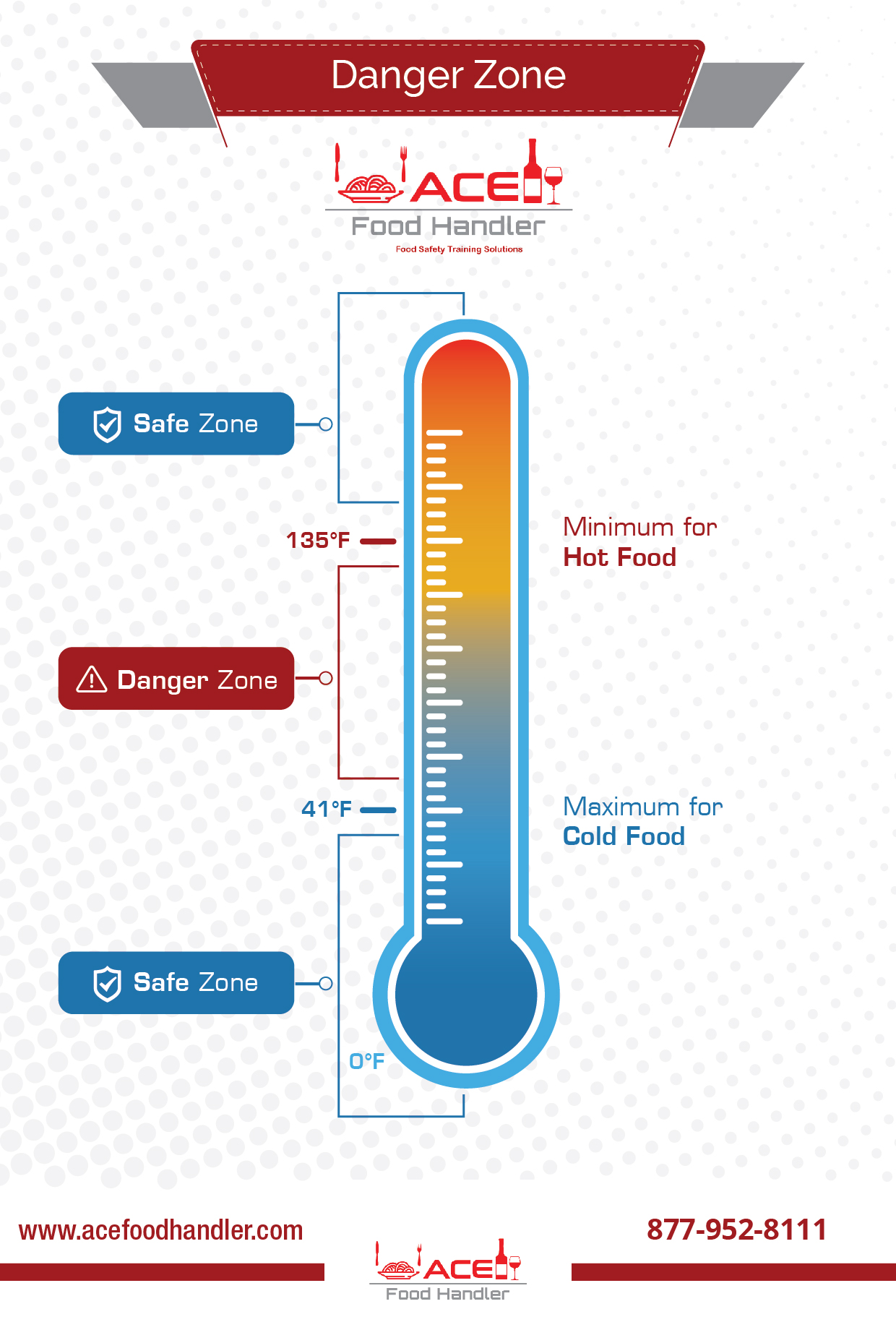
Food danger zone is a critical temperature range between 40 and 140 degrees Fahrenheit where bacteria can multiply rapidly on perishable foods like meat dairy and poultry causing foodborne illnesses and potentially life threatening conditions if left unchecked for too long. Keeping foods out of this danger zone is crucial to prevent contamination and ensure food safety whether you are storing cooking or reheating your meals. Proper handling and storage techniques can help minimize the risk of foodborne illnesses by keeping hot foods hot and cold foods cold

Know the Food Danger Zone to Keep Your Family Safe from Food Poisoning
Always be aware of the food danger zone when storing and cooking food to prevent bacterial growth and foodborne illness. Keep your food at a safe temperature to avoid the danger zone where bacteria can multiply rapidly and cause serious health problems
Bacterial Growth Temperature Range
Food danger zone is a critical temperature range between 40 and 140 degrees Fahrenheit where bacteria can multiply rapidly on perishable foods like meat dairy and poultry causing foodborne illnesses and potentially life threatening conditions if left unchecked for too long. Keeping foods out of this danger zone is crucial to prevent contamination and ensure food safety whether you are storing cooking or reheating your meals. Proper handling and storage techniques can help minimize the risk of foodborne illnesses by keeping hot foods hot and cold foods cold
